Thursday, 3 March 2011

Grey days and gathering

There has been much gathering to do lately. Pregnancy scanning has been drawing to a close and the season closes with the hill sheep. They are put to the tup later than those which live further in-bye and hence lamb later in the season and so are the last to be scanned.

We have had many grey days, not unduly wet although rain has been around, more just dank, dull days. However, it got worse as gatherings had to be done and the fog rolled in on the high hill ground. Milder weather helped accentuate the problem, was it steam rising?
 
Posted by Picasa
The above is bearable for gathering, you can actually see a fair distance but as you climb higher up the hill the density of the fog thickens until eventually you can see next to nowt.

We were lucky with the gathering, sometimes being delayed in the mornings heading to the hill, waiting for the fog to lift, sometimes setting off and the fog rolling in.

One morning in particular sticks in my mind. I was away out bye and the shepherd and I had headed away out, the fog gave us a fair visibility and if luck was on our side we'd succeed. Ten minutes from us splitting and heading in different directions conditions worsened, I found myself in a pea souper, visibility basically nil. Sigh!

I persevered on my route, altering it slightly and heading further out than usual in the forlorn hope that should some sheep be heading in I'd spot them. I spotted nothing and having altered my route I was finding myself becoming disorientated. I wasn't lost but struggling to get my bearings. There ought to have been a cairn (tall pile of stones) near by, if I could find that I'd know exactly where I was. Eventually I thought I saw it looming ahead of me - no! it was a self seeded fir tree, I wasn't even aware there was one in this area of the hill.

I stopped the bike, turned the engine off and listened, the wind was blowing a hooly (you'd think it would blow the fog away), unfortunately it was blowing in the wrong direction, I was not going to be able to hear the whistles or bike engine of the other shepherd as the wind was too strong and from the wrong art.

Should I turn back? After all this was pointless. No, couldn't do that, neither of us would leave the other out here. There was no way of making contact with the shepherd, for all we both had the headlights on on the bikes they would only be visible for a yard or two.

I turned the nose of the bike down the hill and set on my way, I eventually met a drain I was familiar with, then I came to the burn and found the crossing point. At some stage in the proceedings I had disturbed a handful of sheep, where they had gone I had no idea. What I did know was that both the shepherd and I would be heading for the same point, at some stage we ought to eventually meet up. Usually with sheep infront of both of us.

I was aware that the strength of the wind was blowing the dampness of the fog horizontally, it was quite impressive to see, almost like a rain against a grey backdrop.

I trundled on, Moss sticking close by my side, he seemed to be aware that there was nothing he could do either, although I was forever watching him, looking for the body language to tell me something may be around, that he'd heard, seen or scented some sheep somewhere. The only time he showed any interest was when three roe deer were disturbed with the sound of the bike and took off at a rate of knots.

As I was nearing the spot where shepherd and I meet up the fog briefly lifted, it was quite surreal, almost like walking into a lit room before the switch was turned off and everything plummeted into darkness again. It felt like I literally had seconds to survey all around me before the view was once again hidden from sight. Those seconds amazed me, there were sheep and lots of them away ahead of me.

Sheep which are raked (pushed out at night and in in the morning) and herded(shepherded) on the hill know where they belong, they know where they ought to be gathered to, these sheep proved to be no exception. Fortunately the shepherd had also had the foresight to lay a feed block out for them to help hold them to the spot.

Just as I was approaching the 'meeting' point, headlights broke through the grey gloom and the familiar sight of the shepherd loomed close. A grin spread across his face followed by "That was pointless, only saw ten sheep and no idea where they went"
"Umm, I only saw a handful for a fleeting moment, but they are here, should be waiting just along there"
"Seriously?"
"Yup!"
We split up once again, both heading out, to move in on them from a distance and hopefully hold them in our sights. The ploy worked and we had them under control.

There were far more than we could have possibly hoped for. They had done what they ought to do, hadn't wandered off, tried to hide up the burn, doubled back, no, they had been moving infront of us all the time, congregating at the point they are usually gathered to. Later in the day when the hill was clear I headed back out to collect any stragglers, there were only four - nothing short of a miracle!

 
Posted by Picasa
On a totally different occasion, this time looking for cattle on the hill, this stone leaped out at me. A stone which I pass nearby on numerous occasions throughout the year, a stone which didn't catch my attention until the world I was travelling in was grey and devoid of colour. The red lying in the dead beigy coloured grasses surrounded with the greyness of the air was almost shining like a beacon, how could I possibly never have noticed it before?
 
Posted by Picasa

Saturday, 26 February 2011

D'y want a laugh?

There was a little bit of a 'do' held recently, an opportunity to see a local artists 'work in progress', invitations were sent out to all and sundry with those who could attending.

Now Shep trundled along in the customary wellies and leggin's, it was a kinda outdoorish studio you appreciate and I had been kinda working and just trotted along on the way home. I knew the artist wouldn't mind and most of the folks there would know me well enough not to be offended.

It was an interesting hour or two, much to take your interest and many to have a crack with, there was also mulled wine, homemade biscuits and buns (modernly known as cup cakes). Have to say I quite enjoyed myself.

The other half unfortunately was unable to attend, probably more conscientious than myself he was working (I had been - honest!). However, the hostess kindly offered a goodie bag for him, some biscuits and buns were wrapped in tin foil and off I went, heading home with 'offerings'.

I remembered I had to call in with a message for a neighbour as I passed their house and duly shared a cup of tea with them and a bit more crack - I was having a grand time, the dogs however were probably not too impressed at being stuck in the car and missing out on the socialising, although they ought to have been tired and enjoying a bit of a rest.

The following is a version of the e-mail I sent later that night to the hostess, hope it raises a smile!

"Err, umm............

I got home, after quickly calling in to see my neighbour, and thought it best to drag out the suspense for the other half.

I told him to close his eyes and hold his hands out whilst I explained how kind you had been and that you had sent him something as he had been unable to attend your thingy this afternoon.

He opened his eyes and stared in wonderment at the tin foil lying in his hands, I could see the excitement building as he moved the tin foil around between his fingers, however, his imagination was lacking and his face soon took on a quizzical look.

"what's this?" he asked
"a gift from the artist" I replied
"Bits of tin foil?"
"Well, yes.......... well no, not really. Y'see there were these nice biscuits with pink icing and then there were the buns, which also had icing and chocolate stars on them, all wrapped up in tin foil, except they're not there anymore. But you have got the tin foil!!"

I then made the mistake of adding how tasty they had been and how kind it had been of the artist to think of him.

"YOU ATE MY BISCUITS AND CAKE THAT WERE SENT FOR ME!"

"No, NO............ it wasn't me........"

Oh dear! very sorry, it was a bit late on dawning on me when I was in drinking tea that my young dog may well have helped himself to the other halves goodies - I wasn't to be disappointed as I found shards of tin foil all over the front of the car but not a scrap of anything tasty left.................

On Monday I had been working in Cumbria, I always get sent home with sausage and cheese for the other half (it's a long story), anyhow, I called to see my 'mother-in-law' on the way home and never thought about the sausage and cheese on the front seat of the car, happed up with coats and things I may add.

Y'see my two older dogs will not take anything from the car, or anywhere else. I can trust them not to thieve and take it for granted, however, the young fella obviously doesn't know this particular rule because on returning to the car I had tiny fragments of sausage and cheese wrappings all over the drivers seat and no signs of the sausage or cheese......................

It has been a bad week, no sausage, no cheese, no biscuits, no cake......... and a car full of shredded wrappings!


The other half did very much appreciate your kind thought though.........

........so thank you very much from Kale"

Tuesday, 22 February 2011

Lice and de-lousing

I have already said that the elderly sheep keepers sheep were found to be lousy, it was time to do something about it. Unfortunately horrendous wet days prevented treatment for a while. Eventually the weather looked up and the sheep were fetched in.

I had opted to use a pour on (known as a back liner in Australia). It is an easy, simple approach to dealing with the problem, puts the sheep under minimum stress and is relatively effective. The injectables on the market only seem to cover sheep scab and not lice. The pour ons only seem to cover lice and not sheep scab. Never mind, lice is the problem to be dealt with so all will be well.
Posted by Picasa
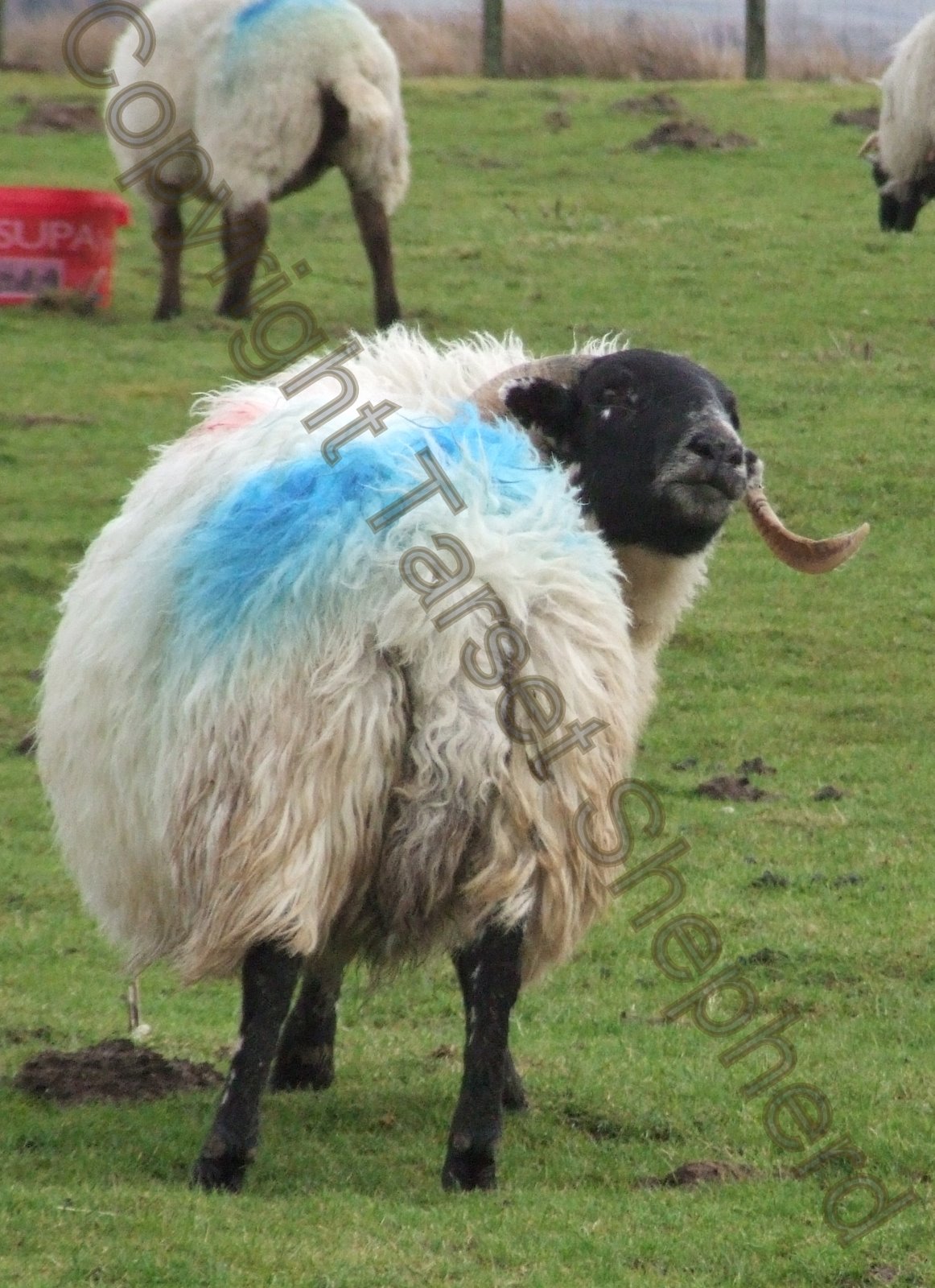
Many of the sheep showed no outward signs of having 'the itch' however this ewe had managed to scratch on at herself until a bald area had appeared on her flank. Note the wool on her horn.
Posted by Picasa
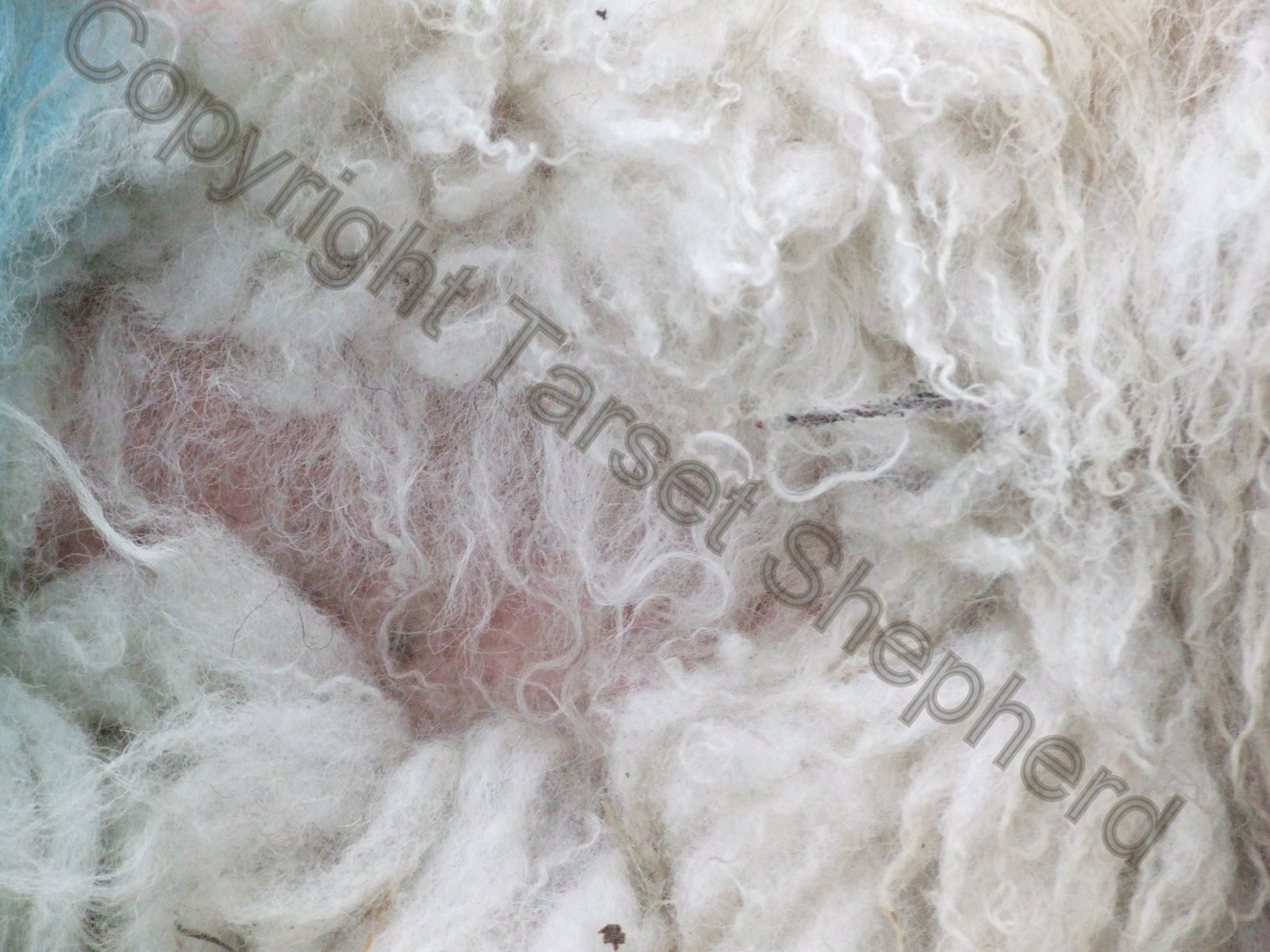
Closer inspection shows exposed bare pink skin beneath the wool, must be chilly for her!

There are a number of pour ons on the market. Some which just require a 5ml spot of the chemical placed onto the skin, others which require a pin stripe run down their backs. I opted for the latter.
Posted by Picasa
Administered by way of an automatic gun (similar to a dosing gun) the chemical is squirted along the back line of the sheep as a stripe, reaching from shoulder to tail head. It has a dye to enable you to see which sheep have been treated, this dye wears off the backs of the sheep in a day or two.

Have to say I had great fun trying to photograph myself but hey! succeeded! You may notice that I am wearing disposable gloves. It is precautionary, one ought to wear protective clothing and wash any splashes off your skin.

In actual fact this particular product and I do not see eye to eye. I have dealt with many chemicals, doses and dips over the years and this is by far the worst, I now have a low tolerance should any get onto my skin and as there is always the fear of a gun leaking I tend to err on the side of caution. Waterproof leggings wrinkle and blister if they get too much of this stuff onto them - slightly unnerving!

The pour on works by spreading through the natural grease of the wool therefore spreading across the body and presumably poisoning those nasty little lice. The sheep do not get immeadiate relief, the product needs time to work and the sheeps skin needs time to 'cool down' and stop itching. As each day passes the sheep will be feeling more comfortable until the day comes when their itch is just a distant memory.

In actual fact I could find no reference on the bottle regarding use on dry wool or that it had to be in place for a number of hours before rained upon. Maybe I could have treated these sheep on those wet days? Not to worry, they are done and with no fear of the pour on being washed off before it had time to work, which is good.
Posted by Picasa
It wasn't just the sheep which were happy to have been treated, the elderly sheep keeper also seemed quite happy, even though I had been repeatedly told that she had never had lice in her sheep before "mebbes you haven't, but you have now!" was my reply.

Friday, 18 February 2011

Lousy sheep

On a bad day I can often utter "lousy sheep!" Although that is probably a polite version! Lice and sheep is what I am going to rabbit on about this time, lousy sheep!. I am naturally moving on from the last three postings - Ornate horns, Dancing sheep, and Itchy sheep, we have now progressed to Lousy Sheep.

Lice in sheep is becoming more prevalent in the British Isles, as are other ectoparasite problems such as Sheep Scab - the reason? Well, up until 1992 it was compulsory to plunge dip your sheep in a diluted organophosphate solution. This had been common practice for many years in an attempt to eradicate Sheep Scab from our country.

Our servicemen fought in the gulf war of 1990 and upon their return some complained of something called organophosphate poisoning, which the government swept under the carpet and refused to acknowledge. Shortly afterwards our government deemed it was no longer necessary to have to compulsory dip sheep for sheep scab, even though the problem had still not been totally eradicated from our sheep flocks. There was even a new dip came upon the market, a more user friendly one, a cypermethrin based dip which by chance has now been taken off the market as it has been proven to have adverse affects on the environment. Interestingly enough regulations were brought into force where upon anyone wishing to work with OP dips had to either go on a course (which cost a fair bit of money - I know!) to become certified in the safe use of organophosphate dips or they had to work alongside someone who had attended and passed the course.

So all in all, since 1992 it has no longer been compulsory to plunge dip your sheep. Many were relieved. Hill men continued the tradition but even they got lax as the years went by and less staff were available on the farms. Other products came upon the market, injectables and external 'pour ons' became available. These all made the job far easier. However there is no product available which will control every external parasite on the sheep other than an organophosphate. Those that deal with scab don't cover for lice and vice versa. The most successful option to control external parasites on your sheep flock at the present moment still remains to fully submerge your sheep by plunge dipping with an organophosphate solution, however, it is not always the most favourable.

The conclusion of all this is that sheep lice is becoming a common problem amongst our flocks and sheep scab too is on the increase.

Sheep scab is far more severe than lice, however lice themselves can cause a great deal of trouble to a flock, especially as it seems to get a good hold in the winter months when ewes are in lamb, grazing is poor and life can be tough enough for sheep without ending up being itchy with it.

January to March seems the optimum time for louse infestations in this country, sheep can be carrying lice for a long duration, when they are clipped a high percentage are lost from the body via the fleece that has been removed, the remainder slowly go about their business, until their numbers gradually increase and the conditions on the sheep become favourable to the louse, which seems to be during the winter months. This almost proves the tales I was brought up with of lice 'lying dormant'. The fact that sheep lice only live on sheep and don't survive for long off sheep probably disproves the tale I was accustomed to that they can pick them up from the hay they are being fed on.

Louse activity has been linked with poor health conditions in the sheep. I am apt to question this. I'm not a scientist, or a veterinarian, I have no letters behind my name, didn't go on to higher education so probably am not in a position to speak authoritatively on the matter. However, my observations lead me to question that an under lying health issue may be the cause of lice. There is no doubt that in some flocks it may well be the cause but on Tuesday and Wednesday of this week I found myself in Scotland working with the sheep which I lamb. I haven't seen these sheep since I clipped them, they are running on high ground in the Scottish borders and have had a rough winter (as have many flocks), I was gobsmacked at how fit they were, not just fit but bordering on fat. They were full of life, carrying a lot of fettle and they had lice. I can safely say that in this instance I do not believe poor physical health had any connection with the sheep being lousy.

There is however, no doubt in my mind, that lice can cause poor health. Bearing in mind that the lice seem to multiply and go forth during the winter months and through to early spring. Sheep can find themselves heavily infested if left untreated. Pregnant ewes especially are reaching the later stages of their pregnancy and they are exerting energy scratching, biting and rubbing on, their wool begins to drop out exposing bare pink skin, the weather proof coat is dropping off allowing the cold and wet to get in and chill. Stress. The sheep are finding themselves under physical stress at a time when they need all their reserves to keep themselves and their growing foetus' going, surely this is going to help cause poor health? I believe so.

Regardless, I'm sure that anyone with any pride in their flock will want to treat their sheep should they show signs of scratching and discomfort. Once it is clear in your mind which parasite you are dealing with (should their be any doubt a vet will soon be able to confirm which creepy crawlies are to blame)there are a number of products available on the market to get the problem under control.

Friday, 11 February 2011

Itchy sheep

Okay, I've kept you all on tenter hooks all week, sheep with wool on their horns, dancing hoggs....... The title ought to give the game away - ITCHY SHEEP - quite simple!
Posted by Picasa
The above ewe set the alarm bells ringing. I had gone for a quick gander around the elderly sheep keepers field. The weather had been atrocious and I doubted whether or not she would have been and looked her sheep for a day or two, so off I took myself for a wander. I needed to check the walls hadn't blown down, there were empty feed tubs to collect from the corners they had been blown into and of course the health of the sheep was also high on the list, a quick check to ensure they hadn't taken too much hurt during the previous squally days.

I saw this ewe almost as soon as I entered the field and wasn't too chuffed. The fence was a bit of a give away also.
Posted by Picasa
Having walked around ensuring all was well with the boundary walls and fences I headed back to my car, picked up the camera and went back to the flock. I knew there would be explanatory photos to take and the five minutes ended up being more like twenty as the sheep didn't seem to wish to show off to the camera, they would turn their backs, hide behind another....... basically do anything but pose for the shot! I persevered tho'!
Posted by Picasa
Posted by Picasa
When sheep get itchy they like to scratch - don't we all? Horned sheep turn their heads back and dig their horns into their shoulders and flanks, having a good old ratch on, all sheep will bite back at themselves, scratch up at their bellies with their back feet and rub themselves on fences, walls and any suitable scratching post.
Posted by Picasa
This hogg (the star of the very shaky video clip) doesn't have horns to help her reach that itchy spot, she is biting back at herself, throws her head around abit in the hope that itch in the neck may just abate, basically she becomes frustrated that she can't just reach the spot.
Posted by Picasa
Sitting down on her backside may just help, can she reach around and hit that spot, get rid of that itch? She did finally lay herself down and wriggle around on her side (which is how sheep can get cast on their backs and end up kessing) So frustrating for her not to be able to ease that awful itching sensation.
Posted by Picasa
This ewe faired better, managing to stick her horn just in the back of the shoulder to have a good howk on. Is she smiling? probably grimacing! They can look as though they are smiling because their lips will often be moving at the same time, a desire to nibble and chew on at the annoying itch which they really can't reach.

It is this scratching on with the horns which causes wool to get wrapped around the horn, or hang off the horns which is the reason alarm bells rang when I first spotted the sheep with wool on her horns, it is a sure sign something is amiss. Sure enough something was amiss.

Sheep can get naturally itchy in the warmer months prior to being shorn, they get sweaty and uncomfortable under their heavy fleeces and can feel uncomfortable. This is not an excuse for them in the colder winter months.

When there are itchy sheep and many of them at that it means one thing - parasites, some creepy crawlies creepy crawling over the sheep's skins and causing discomfort, either due to the little blighters biting their host or a reaction to the parasite and whatever it discharges from it's body.

These sheep have got creepy crawlies. Left unattended the condition will worsen, their wool will fall out, their skin will get sore and their condition will melt (they will lose physical condition). The parasites themselves do not kill the sheep, it is the permanent discomfort, the never ending desire to scratch, bite, rub against something which drains the sheep physically and could probably eventually kill them. There is also the worry of infection from sore skin should the condition be left untreated.
Posted by Picasa
The fleece will eventually take on a scraggy look about it, the above could well be mistaken for a wooled sheep which has been stuck in wire or some such, however, closer inspection will reveal bare patches of skin below the fleece, the fleece is literally becoming unattached from the skin, and not like shearing time when there is a new growth of wool left on the body, this is quite literally down to the skin.
Posted by Picasa
The above photo shows the exposed skin of a sheep which had been affected for some time with creepy crawlies. Pink bare skin, with a crusty look about it, not very pleasant.

How does this happen? Where do the creepy crawlies come from? Well, I don't have all the answers, some are able to live in the ears and around the eyes, others can lie dormant for a long time waiting for a host to trot along and pick them up. In this case I'm presuming that as there are no neighbouring sheep through the fence that the itch either came from a neighbours sheep which crept into the field and remained there for the duration of the snowy weather or else it has probably come from the hay which they are eating.
Posted by Picasa
There is no doubt that the itch will have spread throughout the flock by them having contact with one another whilst feeding at the hay heck.

So what parasite have they got? Again I don't know, I would very much hope it isn't sheep scab and would tend to presume it is lice. There are many ways of treating the cause. The ideal solution would be to dip the sheep(submersing the sheep in a 'bath' of diluted sheep dip). Sheep dip would eradicate any of the external parasites which can affect sheep. There are also chemicals which can be poured along the sheeps back and their are injections available.

I intend to treat these sheep with a pour on, it is kind to the sheep and very effective against lice. Once I have them in the sheep pens I will check through their wool, lice are quite easy to spot and once I've got my eye on the little blighters I'll feel a lot happier as sheep scab is a greater problem, extremely smitten and can easily pass from flock to flock and takes a bit more dealing with.

The weather needs to fair up as the pour on has to be applied to fairly dry wool and preferably not be rained upon for a few hours. I will let you know how we got on at a later date.

Wednesday, 9 February 2011

Dancing Sheep?

The last posting showed a ewe with wool on her horns, comical character she was. I did promise to reveal all in this posting ( YIKES! I think I ought to rephrase that! explain all is what I mean), but instead decided to share with you this clip of a dancing sheep. Sad I know!! Apologies for the dreadful camera shake, think I was probably dancing more than the sheep was.


Anyhow, this may not have revealed why the sheep had wool on her horns but it is another vital clue, as this particular cross bred hogg belonged to the same flock as the ewe with the woolly horns. I'm sure you must have all sussed it out by now, and yes, I will explain it all in the next posting - promise!

Monday, 7 February 2011

Ornate horns?

Posted by Picasa

How peculiar! A sheep with wool hanging off it's horns. Let's have a closer look....
Posted by Picasa
She really does look quite comical. 'S'pose sheep with horns are bound to get wool tangled up on them, when they run past the other sheep it'll naturally happen - won't it?

Well won't it?

I'm going to leave you all to ponder on this one, the next posting will reveal the answer, in the meantime, don't laugh at the poor ewe too much, she might just get a complex about herself!!